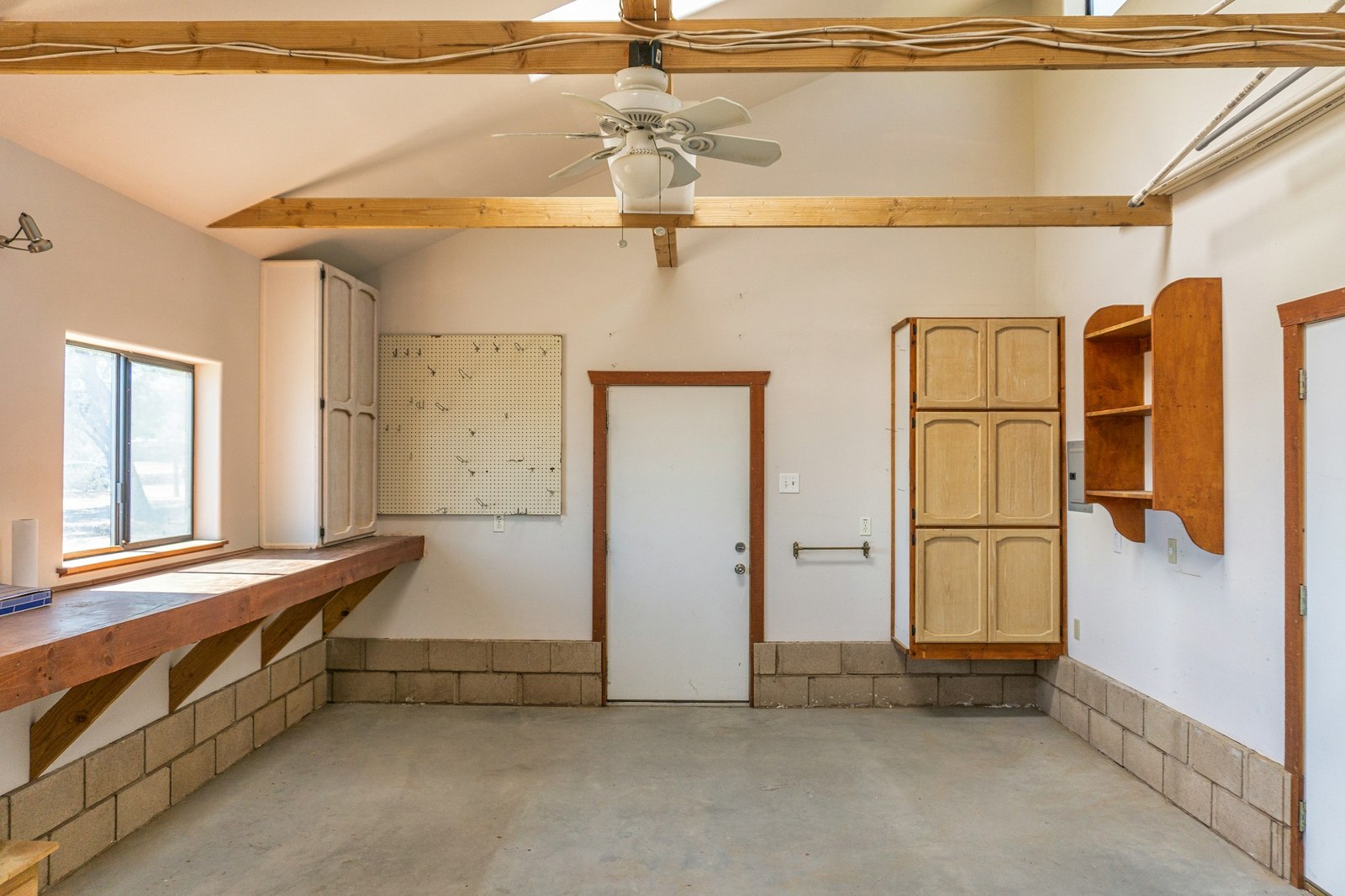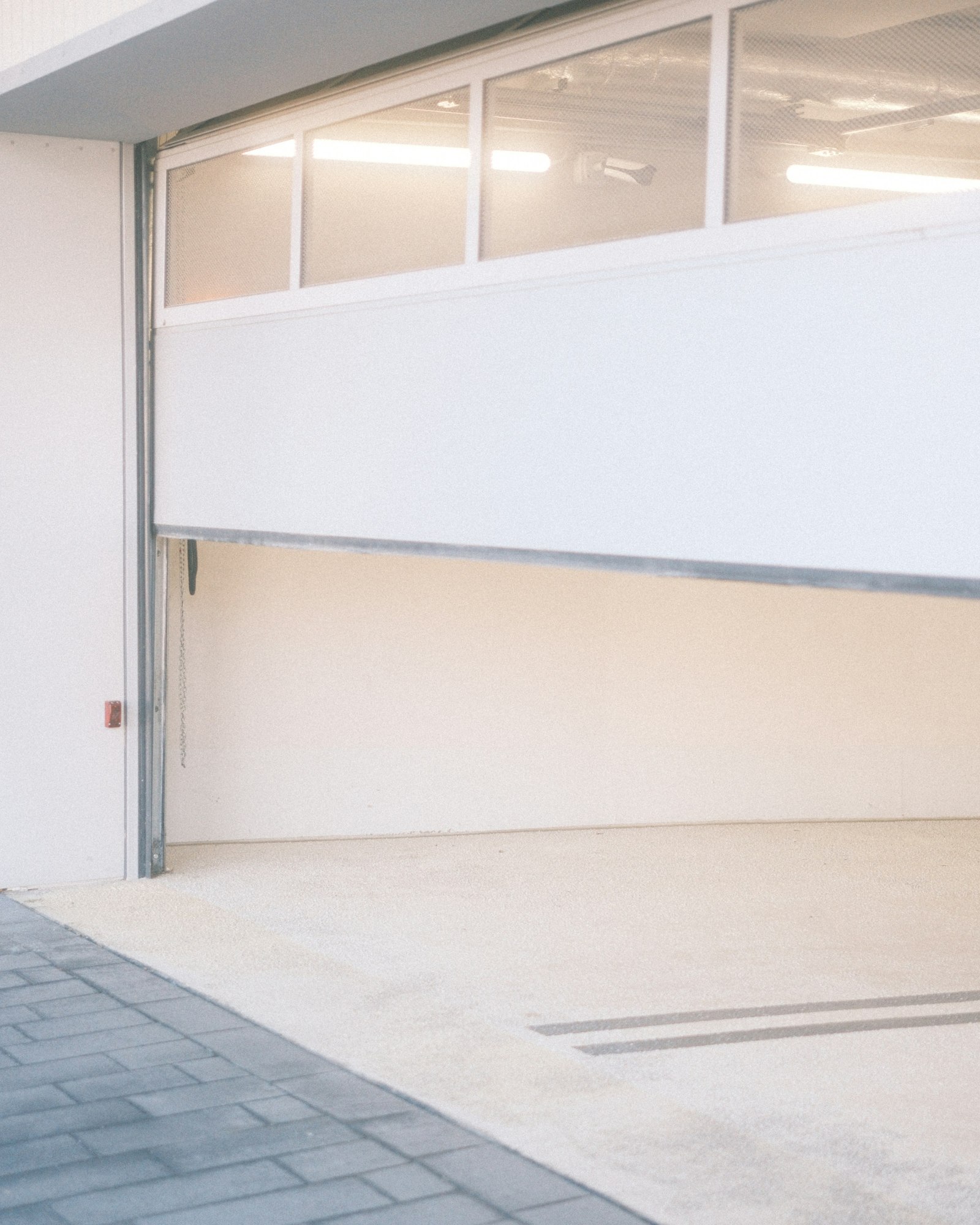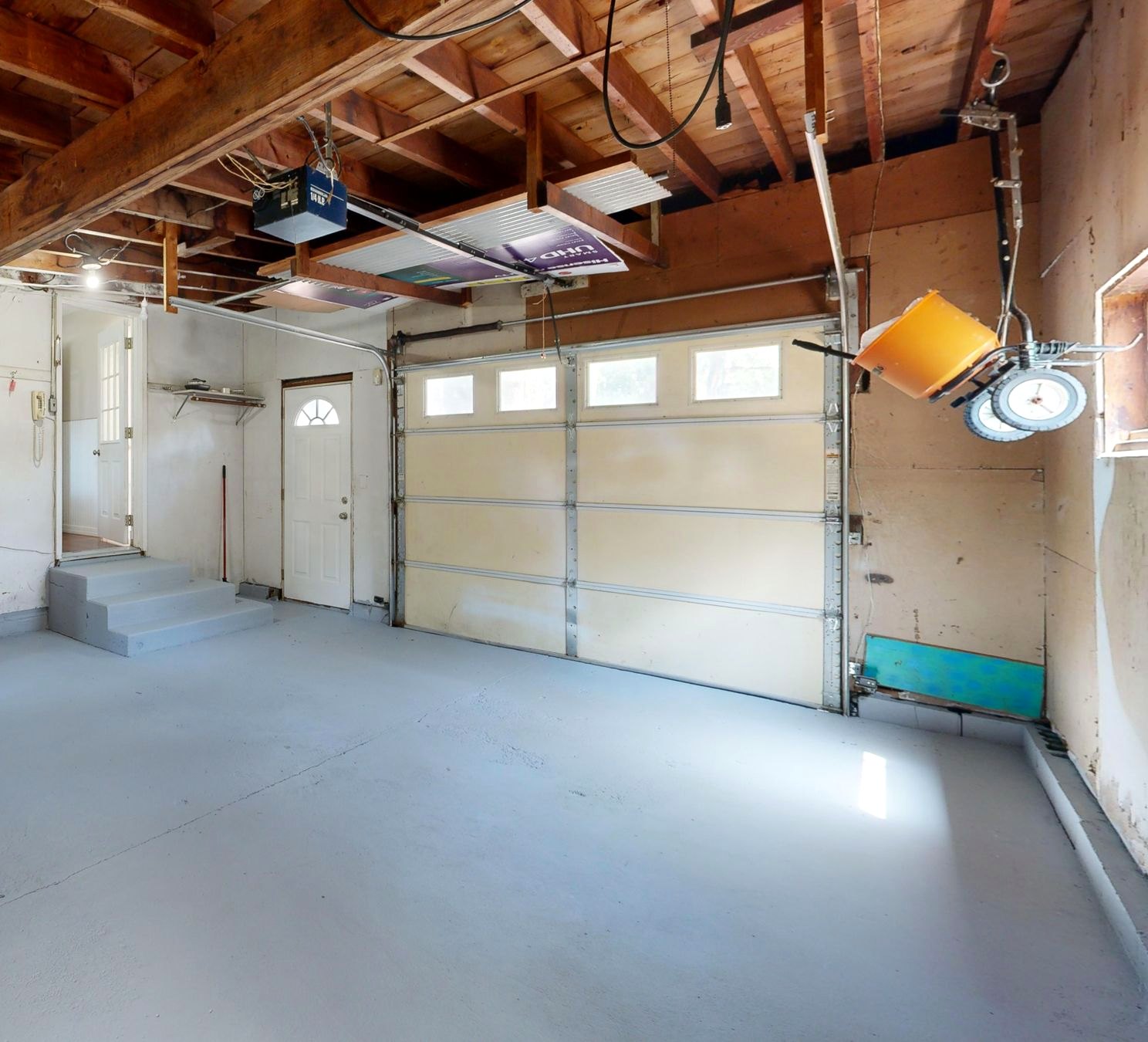
Two-car garage, full-flake system
The slab had two long cracks and dark stains where the tires sit. We ground the floor, filled the cracks, and ran a full-flake system with a polyaspartic topcoat.
A peeling floor is not a lost floor. The failed coat comes off, the slab gets fixed, and the new system goes on the way the first one should have.
Tell us about the floor. We call back with a time to come look — the written price comes after the in-person look, before any work starts.
Rather talk? Call (352) 555-0148.
Peeling, bubbling, and hot-tire marks are symptoms. The cause is almost always under the coat: no grind, a damp slab, or a thin kit asked to do a pro system's job. The fix is not another coat on top — it is taking the floor back to clean concrete and starting the job right.
Redo work starts with the grinder. Failed epoxy, floor paint, and thinset residue come all the way off. Then we read the slab the way we should have been hired to the first time: cracks chased and filled, spalls rebuilt, oil ground out, moisture tested.
From there it is a normal job — base, finish, and top — on a slab that is finally ready. Most redo floors end in full flake, because flake covers the patch history of an older slab better than any other finish.
One straight word on cracks: we fill and grind them flush, and most stay gone from sight. A crack that is still moving can print through any coat in time. If your slab shows that kind of crack, we will show you and talk through it before you spend a dollar.
Old coating removal is priced into redo jobs as an add-on: $250 to $700 at our rates, by size and how stubborn the old coat is. Crack and spall repair runs $150 to $450. Both numbers land in your written price after the look — no surprises once the grinder starts.
If the moisture test reads high, a barrier primer ($300 to $600) goes down before the new system. Skipping it on a damp slab is how the first floor died, and we will not repeat the mistake on yours.
The slab had two long cracks and dark stains where the tires sit. We ground the floor, filled the cracks, and ran a full-flake system with a polyaspartic topcoat.
A thin paint coat from years back was lifting at the door line. We ground it all off and tested the slab for moisture. Then we laid a polyaspartic system that holds its color in the sun.
A brand-new slab, coated before the first oil drip ever hit it. We ground off the curing seal, checked the moisture, and ran a full-flake floor while the house was still empty.
Tell us about the floor. We call back with a time to come look — the written price comes after the in-person look, before any work starts.
Rather talk? Call (352) 555-0148.
We can, but we will talk you out of it most of the time. A coat that is letting go in one spot is letting go everywhere — the bond failed, not the spot. A full strip and redo costs less than patching the same floor three times.
With the same diamond grinder that preps new work, run until the slab is bare and open. It is dusty work, so we run dust extraction at the tool and seal off the space.
Bubbling usually means moisture pushing up from the slab. We test the slab, and if the reading is high, a moisture barrier primer goes down before the new system. That is the fix — not a thicker topcoat.
A redo is a normal system price plus removal and repair add-ons. A two-car flake redo with removal typically lands in the $2,900 to $4,900 range. Your written number comes after the look, before work starts.
Pick your floor and its size. The range updates as you go.
Add-ons your floor may need
Every floor is different. Slab condition moves the final number more than size does.
These are planning ranges, not a quote — your final price is confirmed after an in-person look, before any work starts.